
The Allure of Casino Gaming
Casino gaming captivates millions around the world, drawing individuals into a realm of excitement and potential reward. The thrill of gambling lies in its unpredictability; each spin of the wheel or flip of the card carries the promise of instant gratification. This sense of chance can be intoxicating, often leading people to engage in gaming beyond their initial intentions. online slots canada real money is one aspect that amplifies this experience, as many players are drawn to the possibility of striking it rich. The rush of adrenaline triggered by winning—even small amounts—can create a cycle where players seek that exhilarating feeling again and again.
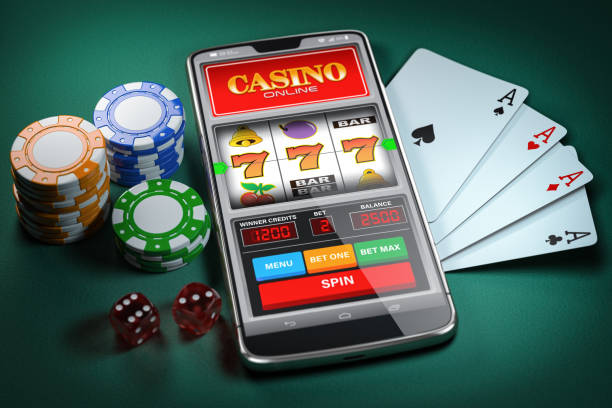
The design of casinos further enhances this allure. Bright lights, captivating sounds, and the strategic layout of machines are all crafted to keep players engaged. These elements not only stimulate the senses but also manipulate the environment to foster long gaming sessions. Research indicates that these sensory experiences can lead to a form of escapism, where individuals momentarily forget their daily struggles and immerse themselves in the thrills of gambling.
The Role of Psychological Triggers
Addiction to casino gaming often develops through psychological triggers that can be deeply ingrained. Many players experience a phenomenon known as the “near-miss” effect, where they come close to winning, leading them to believe that victory is just around the corner. This creates an illusion of control and reinforces the behavior, making it harder for individuals to walk away. Cognitive biases, such as the gambler’s fallacy—the belief that past outcomes affect future probabilities—also contribute to continued play, even in the face of repeated losses.
Furthermore, the use of rewards and reinforcement plays a critical role in the psychology of gambling. Intermittent rewards, where players receive payouts unpredictably, can activate the brain’s pleasure centers similarly to addictive substances. This pattern of reinforcement can lead to habitual behavior, where the player finds it increasingly difficult to distinguish between recreational gaming and compulsive gambling.
The Impact of Emotional Factors
Emotional factors significantly influence an individual’s propensity for gambling addiction. Many individuals turn to casino gaming as a means of coping with stress, anxiety, or depression. Gambling can offer a temporary escape from emotional pain, creating a vicious cycle where players gamble to alleviate distress, only to experience guilt and despair afterward when losses occur. This emotional rollercoaster can further entrench individuals in their gambling habits, making it challenging to break free.
Moreover, social influences can exacerbate these emotional factors. Peer pressure, the desire for social acceptance, or the thrill of shared experiences in a casino can encourage impulsive gambling behaviors. When individuals find themselves in environments where gambling is normalized or celebrated, they may feel compelled to engage in these activities, often disregarding personal limits or financial concerns.
Understanding the Cycle of Addiction
The cycle of addiction in casino gaming often follows a predictable path: initial enjoyment, increased risk-taking, emotional distress, and eventual loss. This cycle can be difficult to escape, as each phase perpetuates the next. The quest for recapturing the initial thrill becomes an all-consuming endeavor, overshadowing personal and financial responsibilities. This can lead to significant consequences, including strained relationships and financial hardship.
Recognizing the cycle is a crucial step toward recovery. Many individuals who struggle with gambling addiction benefit from support groups or professional help. These resources provide a foundation for understanding the psychological underpinnings of their behavior and offer strategies to regain control over their lives. Breaking the cycle requires both acknowledgment of the addiction and a commitment to change.

Promoting Responsible Gaming
In light of the psychological complexities surrounding gambling addiction, promoting responsible gaming practices is vital. Many casinos and online gaming platforms now emphasize the importance of responsible gambling, offering resources to help players monitor their behavior and set limits. Education about the risks associated with gambling can empower players to make informed decisions and recognize the signs of addiction.
The presence of support systems within gaming environments can also foster a culture of responsibility. By encouraging open discussions about gambling behaviors and providing access to counseling and support, the gambling industry can play a role in mitigating the negative effects of addiction. Ultimately, a balance between enjoyment and self-regulation is essential for sustaining a healthy relationship with gaming.